India’s Leading Manufacturer & Exporter of Biomass Pellets, Briquettes and High-Performance Machinery

Pellet Machine
Pellet Machine

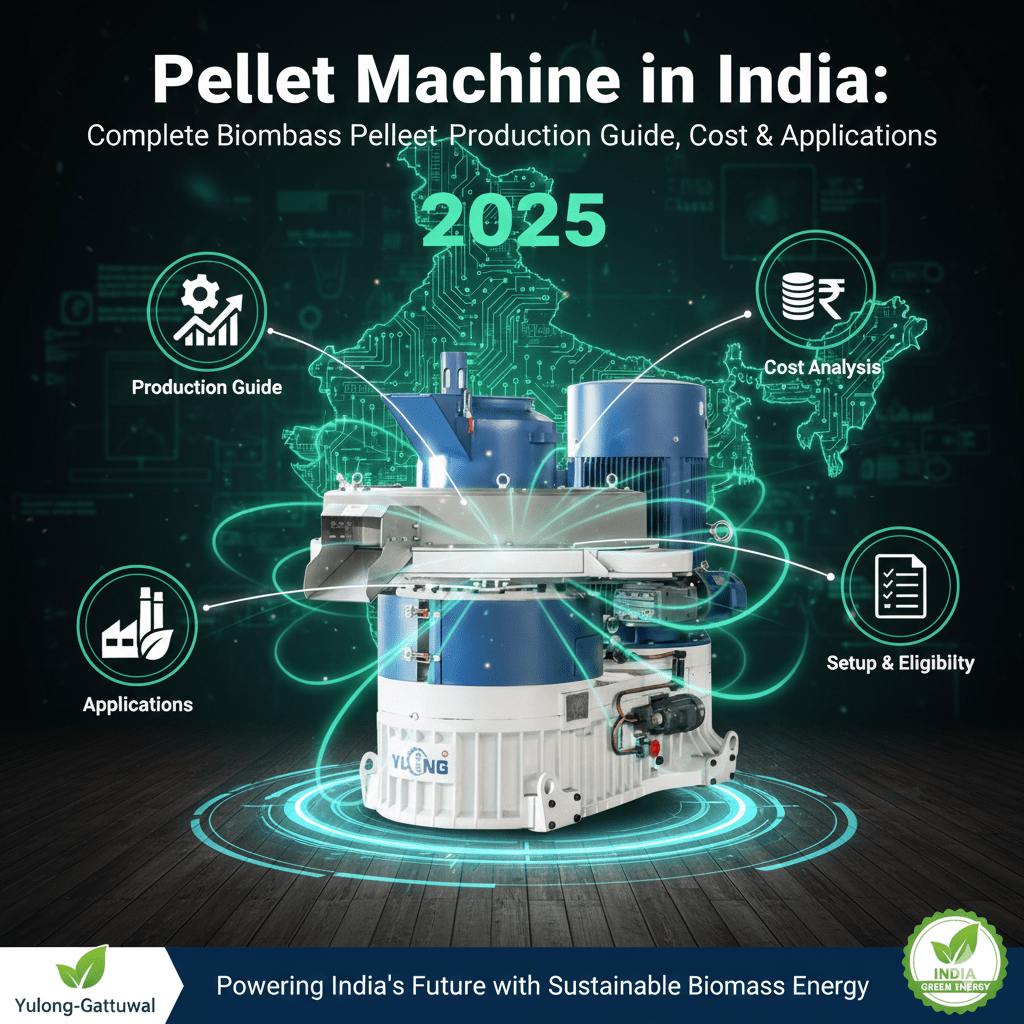
With rising energy costs and strict environmental regulations, India is rapidly shifting toward renewable and sustainable fuel alternatives. Biomass pellets have emerged as a reliable solution, and the pellet machine plays a vital role in converting agricultural and forestry waste into clean, energy-dense fuel. This complete guide explains how pellet machines work, their applications, benefits, costs, and why biomass pellet production is growing fast in India.

A pellet machine, also known as a pellet mill, is a mechanical device that compresses biomass materials into small, uniform pellets. These pellets are widely used as fuel in industrial boilers, thermal power plants, commercial heating systems, and domestic stoves.

Common raw materials used in India include:

    1. Rice husk
    2. Sawdust
    3. Groundnut shell
    4. Mustard stalk
    5. Bamboo waste
    6. Coconut shell
    7. Cotton stalk
    8. Wood chips

The machine uses pressure, heat, and compression to bind the biomass into dense pellets without the need for chemical additives.

Ring die pellet machines are ideal for large-scale commercial production.

Features:

    1. Capacity: 500 kg/hr to 10 TPH
    2. High durability and efficiency
    3. Low maintenance and long die life
    4. Preferred for industrial pellet plants

 Flat die machines are suitable for small-scale and rural production.

Features:

    1. Capacity: 50–300 kg/hr
    2. Affordable and compact
    3. Easy to operate
    4. Best for farmers and startups


A standard biomass pellet production process includes:

 Biomass waste is collected and cleaned to remove impurities like stones and metal.

A hammer mill or crusher reduces biomass into fine powder.

 Moisture content is reduced to 8–12% using flash or rotary dryers.

The pellet machine compresses the biomass powder through a die to form pellets.

Pellets are cooled to increase strength and screened to remove fines.


Finished pellets are packed in bags or bulk for storage and transport.

Biomass pellets are widely used across industries:

    1. Thermal power plants (co-firing with coal)
    2. Industrial boilers (textiles, food, chemicals)
    3. Brick kilns & furnaces
    4. Hotels & commercial kitchens
    5. Residential pellet stoves
    6. Export markets (Japan, South Korea, Europe)

 Pellet machine pricing depends on capacity and automation:

Small pellet machines: ₹1.5–5 lakh

Medium-scale pellet plants: ₹15–35 lakh

Large industrial pellet plants: ₹50 lakh–₹2 crore+

Additional costs include raw material handling, dryers, power installation, and land.

    1. Converts waste into valuable fuel
    2. Reduces dependency on coal and fossil fuels
    3. High return on investment
    4. Growing government support for biomass energy
    5. Long-term demand from power plants and industries

Before buying, consider:

    1. Required production capacity
    2. Raw material type
    3. Power availability
    4. Machine durability and warranty
    5. After-sales service and spare parts availability

Selecting the right manufacturer ensures consistent pellet quality and long-term profitability.

The pellet machine is the backbone of India’s biomass energy sector. With abundant raw materials, increasing demand from industries and power plants, and government support, biomass pellet production offers excellent business potential. By investing in the right pellet machine and production setup, entrepreneurs can build a profitable and sustainable energy business in India.

Leave A Comment